Books with a beautiful setting
Sophie Lombardi
January is a fallow month to spend lazing in front of the fire, hiding from the storms and recovering from the excesses of Christmas. It is also the perfect time to become immersed in a novel that captivates the imagination and transports us to another place and time. There are so many books full of delicious descriptions of the natural world and I have suggested three below that will take you through a portal from January to a farmhouse in France, a tavern in Cyprus or a cabin in Northern Sweden.
When The Cranes Fly South by Lisa Ridzén
This beautiful book tells the story of the last few months of Bo’s life in Jämtland, Northern Sweden. Bo recollects aspects of his life within this vast landscape, with frequent references to its lakes, woodlands, and meadows. He is deeply connected to his environment, which continues to flourish and change with the seasons in contrast to the decline of his physical health. The slow pace and vivid descriptions made me feel as though I were warming in front of Bo’s log burner, eating pastries in his Swedish cabin.

Set amidst the intense heat of a Provençal summer, The Artist traps readers in a remote farmhouse with a reclusive, tyrannical painter, his quiet niece, Ettie, and a young journalist named Joseph. The novel masterfully uses the stifling atmosphere to build tension as Joseph unravels the secrets of the household. Decadence is a key theme, as the luxurious descriptions of food and surroundings contrast sharply with the artist's overbearing power. The oppressive natural environment of the hot, dry earth and chorus of crickets serves as a simmering backdrop to the human drama.

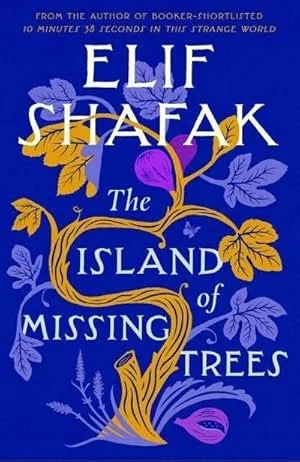
The Island of Missing Trees by Elif Shafak
In The Island of Missing Trees by Elif Shafak, the narrative centres on an ancient fig tree, transported from a Cypriot taverna to a suburban London garden. This tree, deeply rooted in Cypriot folklore, serves as the novel's heartbeat and a literal witness to history.
Shafak weaves the natural world into the narrative to reflect human trauma. The tragic loss of migratory birds acts as a stark indictment of how political conflict ravages entire ecosystems. Simultaneously, the book explores the "wood wide web"—the underground fungal networks through which trees communicate and sustain one another—offering a model of mutual aid that contrasts with human division.
Where will books take you this January ? I would love to hear your suggestions.
Happy New Year
Sophie xxx