Three books to start a Bun Fight
Sophie Lombardi
I am still fizzing from Hay Festival 2026, the giant book club deep in the Brecon Beacons where all the neeks (geeks and nerds) like myself gather to hash out brilliant books whilst devouring cheese and bara brith. Books provoke strong feelings, and the arguments they spark can reveal as much about readers as they do about authors. These three novels and memoirs are packed with ethical dilemmas that could easily start a book-club bun fight.
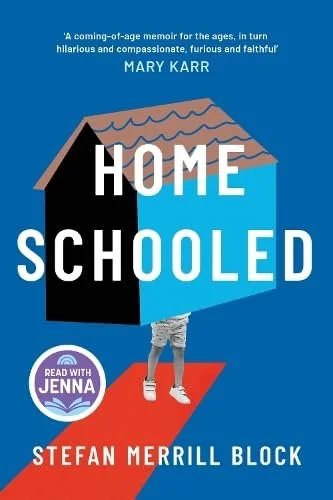
Home-Schooled by Stefan Merrill Block
Parenting seems to spark an intensely emotional reaction from everyone, which is why Stefan Merrill Block's memoir has generated such polarised debate.
Stefan's mother does not want him to grow up, so she pulls him out of school to educate him at home in the family living room. For five years, Stefan is largely isolated and subjected to his mother's increasingly erratic behaviour, including bleaching his hair to keep him looking like a baby. Stefan later describes the experience as a "cult of two".
This is where it gets interesting. Rather than writing an exposé, Stefan presents the memoir as a love letter to his mother, extending forgiveness towards a parent he believes was mentally unwell.
As a mother of older teenagers, I can empathise with Stefan's mother to a degree. l miss my childrens little chubby hands, and letting them go has been a wrench. However, I am not sure she deserves the generous exoneration offered in the book. Can love and forgiveness coexist with a clear acknowledgement of abuse?
Some Bright Nowhere by Ann Packer
Claire, a woman entering the final stages of terminal cancer, has spent the past eight years being lovingly cared for by her husband, Eliot. During a discussion about her future care, she asks him to move out of their home so that her closest friends can take over her palliative care. The request feels almost impossible to comprehend, which is precisely why the novel provokes such strong reactions.
The book raises questions about autonomy versus marital duty. We know that many cancer patients feel completely out of control, and choices about treatment and care can provide a crucial sense of agency. Does Claire owe her final days to the husband who has stood by her side, or does she have the right to decide how she wants to spend them?
Claire pushes Eliot away because she wants to protect the boundaries of their relationship and does not want him to witness the rapid decline of her body.
I believe Claire's reasoning is entirely valid, and patients should be given meaningful choices regarding their end-of-life care. Yet her decision causes profound pain to the person who loves her most. Eliot becomes the collateral damage of a terminal illness, and that tension sits at the heart of the novel.
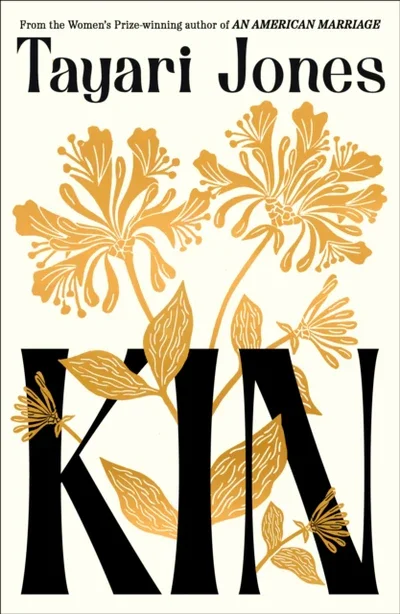
Kin by Tayari Jones
This book is nowhere near as contentious as the other two recommendations. However, it raises fascinating questions about whether it is always necessary—or even healing—to uncover the truth about an unknown parent. The subject feels particularly timely given the growing popularity of genealogy websites and DNA testing kits.
The narrative revolves around two motherless friends, Annie and Niecy, growing up in 1950s Louisiana. The two young women approach the mystery of their mothers with opposing philosophies. Niecy accepts the unknown and focuses on her education and future. Annie believes that finding her mother is essential to understanding her own identity.
By the end of the novel, I found myself questioning whether uncovering family secrets is inherently valuable, or whether some mysteries are healthier left unresolved. Is knowing the truth always better, even when that truth is painful?
Can you recommend any books that have sparked controversy?
Happy, sunny reading
Sophiexx